
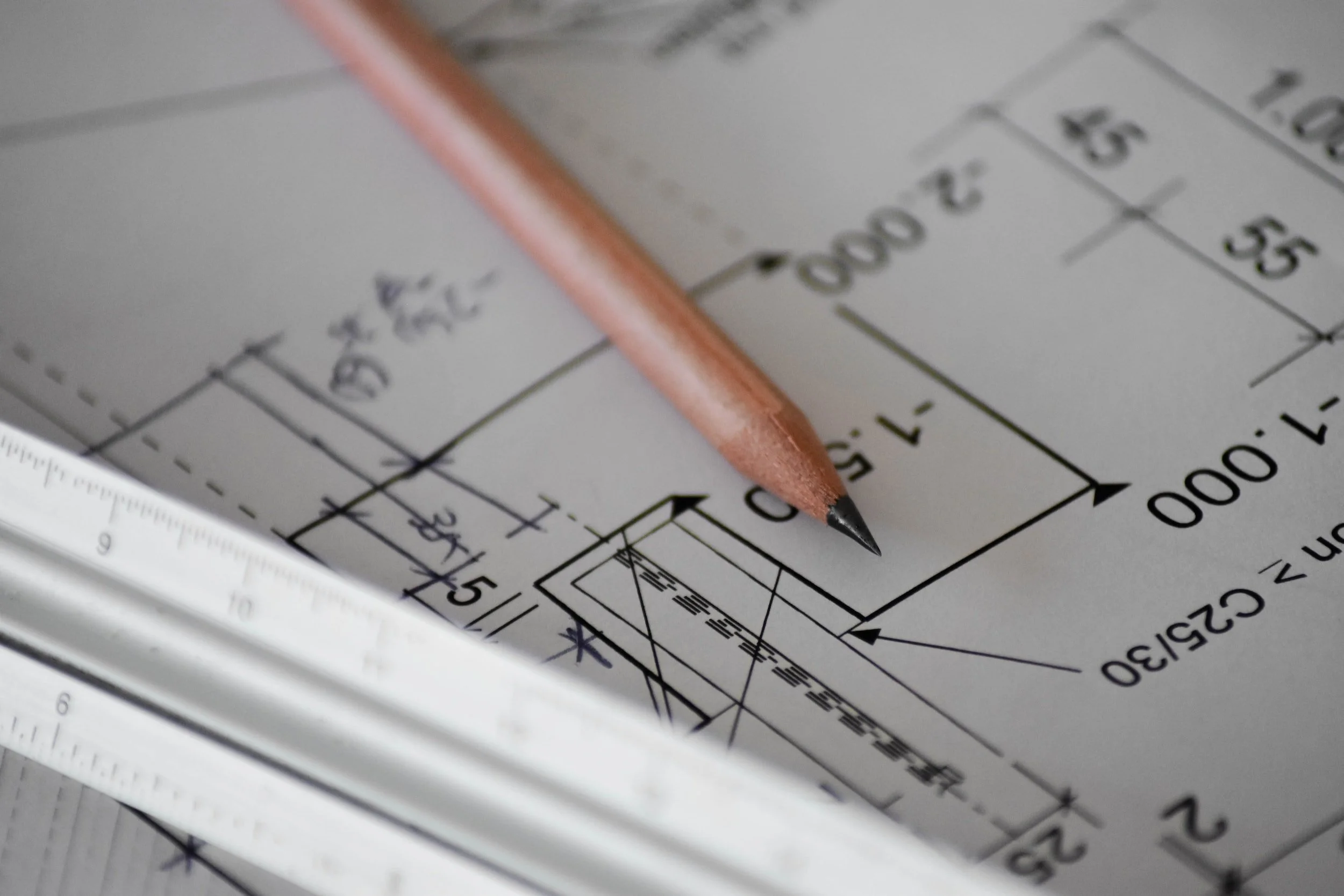
What is a Bespoke Kitchen?
When it comes to designing a kitchen, many homeowners are looking for something unique and tailored to their specific needs and preferences. This is where bespoke kitchens come in.
When it comes to designing a kitchen, many homeowners are looking for something unique and tailored to their specific needs and preferences. This is where bespoke kitchens come in.
We should start by saying that the term "bespoke" is often incorrectly and overused in the kitchen design industry. Some kitchen manufacturers may use the term "bespoke" to describe their products when in reality, they are simply offering a few customisation options on pre-made cabinets or using stock materials. True bespoke kitchens, on the other hand, involve a completely customised design that is created specifically for the homeowner's needs and preferences.
It's important for homeowners to do their research and ask questions when considering a bespoke kitchen. They should ask about the level of customisation offered, the quality of materials used, and the level of craftsmanship involved in creating the kitchen. It's also a good idea to ask for references or to see examples of the manufacturer's previous work to ensure they are capable of delivering a truly bespoke kitchen. By doing their due diligence, homeowners can ensure they are getting a truly unique and personalized kitchen that is worth the investment.
A bespoke kitchen is a custom-designed kitchen that is made specifically for a particular space and the needs of the homeowner. Unlike pre-made or stock kitchens, a bespoke kitchen is created with careful attention to detail and customisation.
Bespoke kitchens can be designed in any style or layout, whether it's modern and sleek or traditional and classic. The goal of a bespoke kitchen is to create a space that not only meets the functional needs of the homeowner, but also reflects their personal style and tastes.
One of the main benefits of a bespoke kitchen is the flexibility it provides. With a bespoke kitchen, you can choose every aspect of the design, from the materials and finishes to the layout and storage options. This means that you can create a kitchen that is perfectly tailored to your lifestyle and needs.
For example, if you're someone who loves to cook and entertain, you may want a bespoke kitchen that includes a large island for food prep and seating, plenty of storage for cookware and appliances, and a built-in wine cooler for entertaining guests. On the other hand, if you're someone who prefers a minimalist aesthetic, you may want a bespoke kitchen with sleek, modern cabinetry and hidden storage solutions.
In addition to the customisation options, bespoke kitchens are typically made with high-quality materials and craftsmanship. This means that your kitchen will not only look beautiful, but will also be durable and functional for years to come.
While bespoke kitchens can be more expensive than pre-made or stock kitchens, they offer a unique and personalised design that is tailored to your specific needs and tastes. With a bespoke kitchen, you can create a space that is truly one-of-a-kind and reflects your individual style and personality.
In short, a bespoke kitchen is a custom-designed kitchen that is made specifically for a particular space and the needs of the homeowner. With careful attention to detail and customisation, a bespoke kitchen provides a unique and personalised design that is tailored to your specific needs and tastes. While it may be more expensive than pre-made or stock kitchens, a bespoke kitchen offers a one-of-a-kind design that is both beautiful and functional for years to come.

Creating a mood board
Our design service always includes mood boards and development discussions about materials, we often find, and certainly isn’t a requirement, that some clients love the opportunity to get the creative juices flowing and prepare their own mood boards. A mood board is a visual collage of images, textures, and colours that help to inspire and guide the design process. In this blog post, we'll discuss how to create a mood board for a kitchen and use it to make informed decisions about materials.
Our design service always includes mood boards and development discussions about materials, we often find, and certainly isn’t a requirement, that some clients love the opportunity to get the creative juices flowing and prepare their own mood boards. A mood board is a visual collage of images, textures, and colours that help to inspire and guide the design process. In this blog post, we'll discuss how to create a mood board for a kitchen and use it to make informed decisions about materials.
Step 1: Gather Inspiration
The first step in creating a mood board is to gather inspiration. Start by collecting images of kitchens that you like. You can use sources such as Pinterest, Houzz, or design magazines. Look for images that feature a similar style or color scheme to what you envision for your own kitchen. Don't limit yourself to just kitchen photos, though – consider adding images of natural materials, textures, and colors that inspire you.
Step 2: Choose Materials
Once you have gathered your inspiration, it's time to start making decisions about materials. Consider the overall style and color scheme you are going for, and choose materials that complement that vision. For example, if you are going for a modern, minimalist look, you may want to consider sleek, glossy cabinets in a neutral color like white or gray. If you prefer a more rustic look, you may want to consider natural wood cabinets or countertops.
When choosing materials, it's important to consider factors such as durability, maintenance, and cost. For example, if you have young children, you may want to choose materials that are easy to clean and resist stains. If you are on a budget, you may need to consider more affordable alternatives to high-end materials.
Step 3: Create Your Mood Board
Once you have chosen your materials, it's time to create your mood board. You can create a physical mood board by cutting out images and materials from magazines and gluing them onto a poster board. Alternatively, you can create a digital mood board using software like Canva or Adobe Photoshop.
Arrange your images and materials on the board in a way that feels cohesive and visually pleasing. This will help you to see how your choices work together and make any necessary adjustments before making final decisions.
Step 4: Make Final Decisions
After creating your mood board, you may have a better sense of which materials will work best for your kitchen. Take a final look at your mood board and consider factors such as cost, durability, and maintenance before making any final decisions.
When making decisions about materials, it's important to keep in mind that the design of your kitchen should reflect your personal style and lifestyle. Choose materials that not only look beautiful, but also fit your needs and preferences.
In short, creating a mood board is a helpful tool in the design process. It can help to inspire and guide your design decisions, and ensure that your choices are cohesive and visually pleasing. By following these steps and considering factors such as style, cost, durability, and maintenance, you can make informed decisions about materials that will create the kitchen of your dreams.